
Canterbury Tech Summit 2026: AI, SaaS and the Human Bit
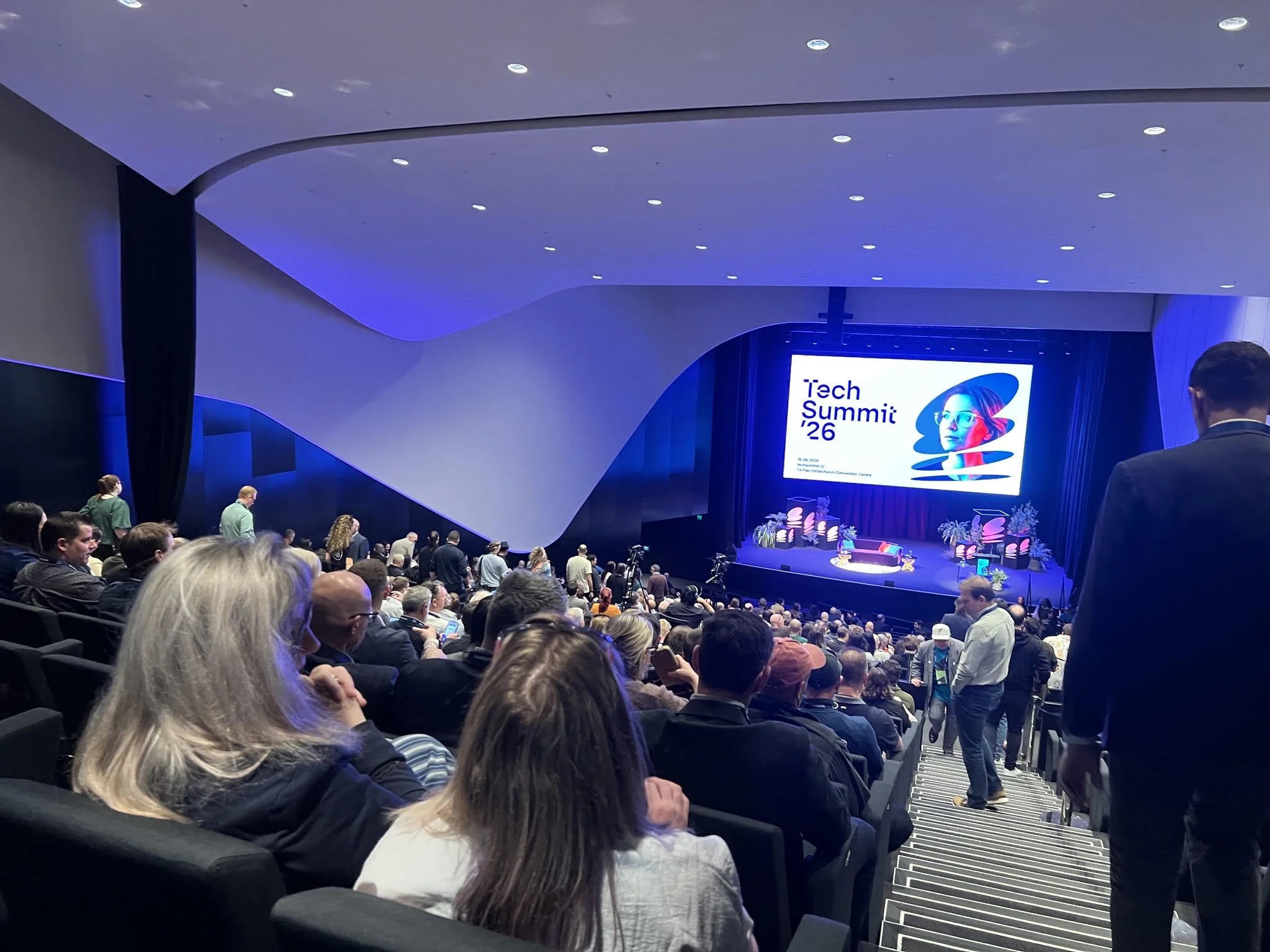
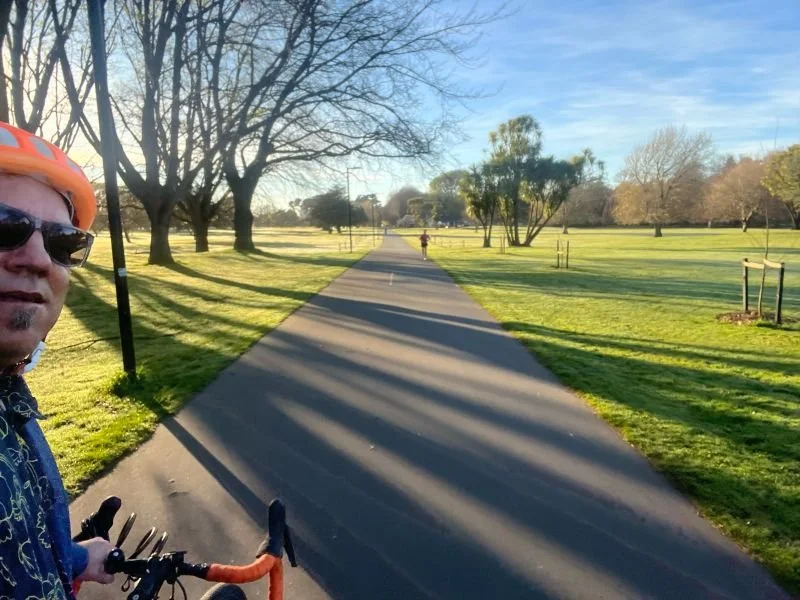
A beautiful spring day in Otautahi, Christchurch to bike to the conference through Hagley Park
Another great Canterbury Tech Summit in Otautahi, Christchurch today and, unsurprisingly, AI was everywhere. Great to see old friends and meet new ones and many I didn’t get a chance to catch up with but I know you were enjoying it. Awesome speakers, shame we couldn’t see them all but the one’s I did see were amazing and it was a real vibe at Te Pae conference center hosted by the hilarious Stacey Daniels.
But what I liked about this year's conference was that the conversation seems to be changing…
We're no longer just talking about ChatGPT, prompts and whether AI is going to take our jobs.
The questions are getting bigger. I had my mind blown a few times with what some of my dev contacts are doing…Some of the voice models are processing so fast that Cameron from Forge had a head set with a chip that could talk to him in real-time….crazy
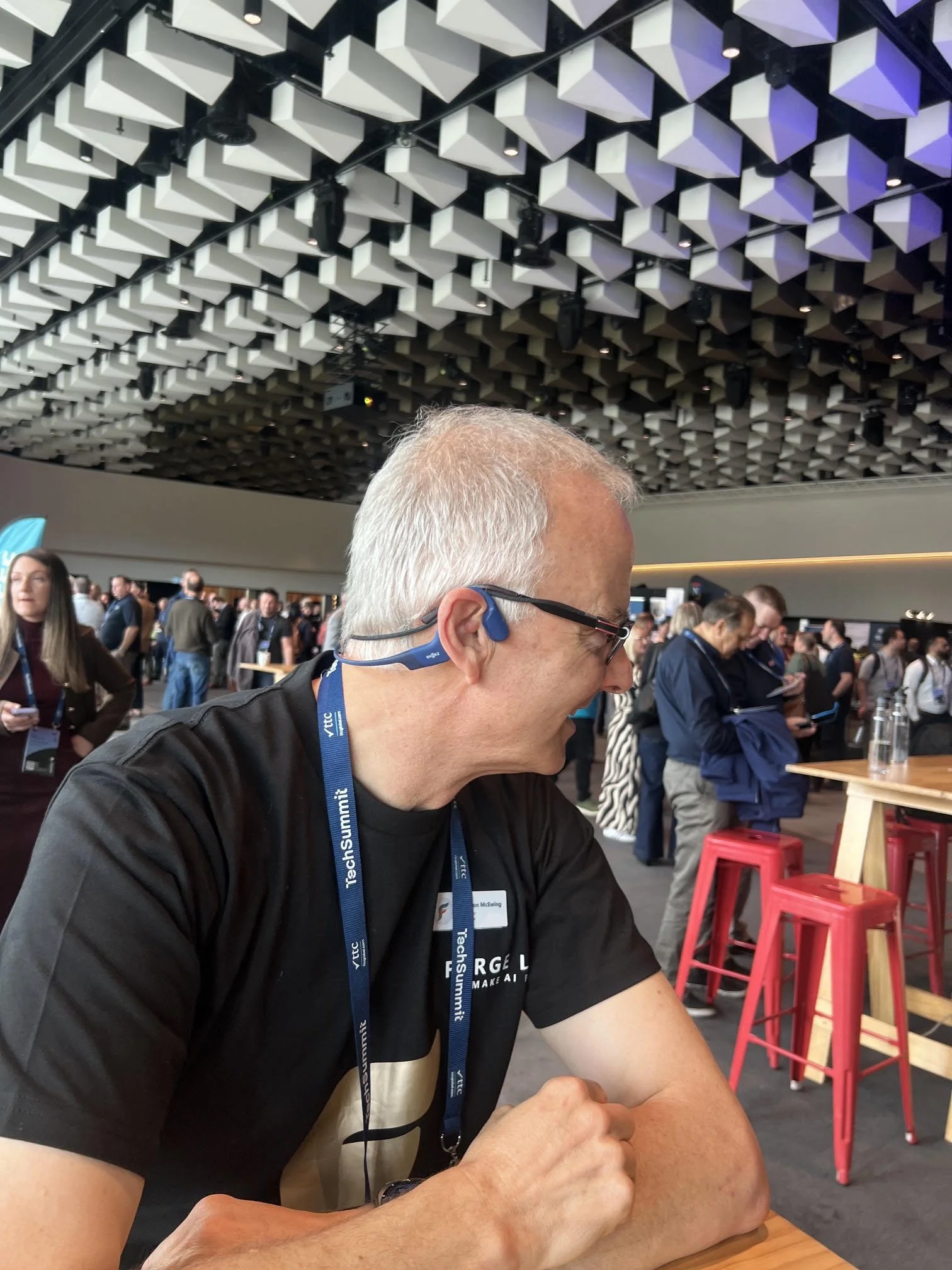
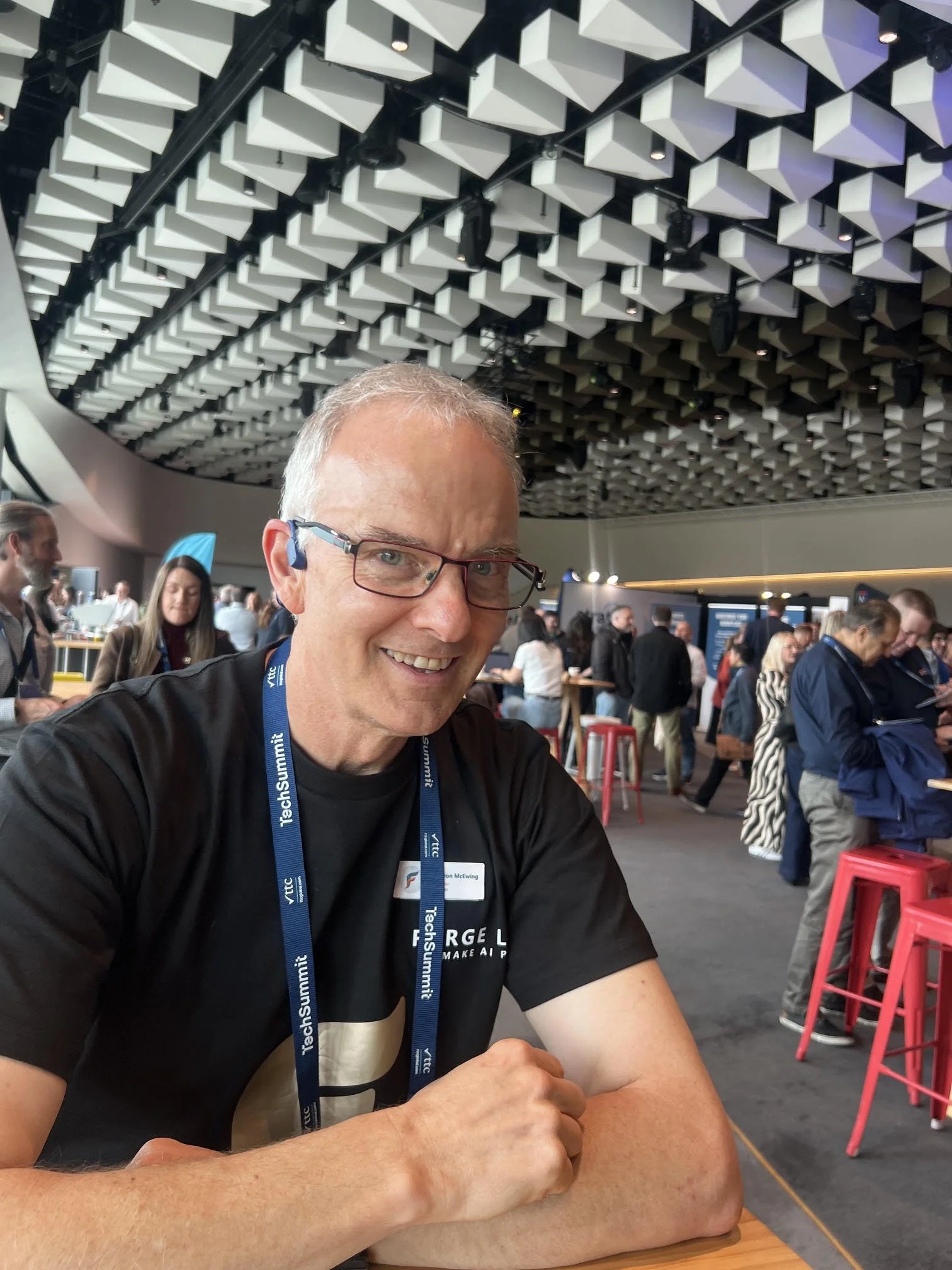
Another one of my contacts, a product guru has his AI agents running all the time, building a couple of SaaS products and had it creating features at home while he was at the conference fully autonomously into production…we joked that Visa now has an API for agents (it’s called Visa Intelligence Commerce btw ;-) and he was like yeah I’m about to let my agents make purchases in the cloud for me…mind blown…again…
But back to some of the big questions…
Who controls AI? Who governs it? What happens to SaaS? What skills will businesses actually need? And what happens when AI starts solving problems humans have spent decades trying to crack?
Amy Adams, CEO of ChristchurchNZ kicked off with a comment that stuck with me - Christchurch has both an opportunity and an obligation to help solve global problems being in a unique environment sheletered from much of the geopolitical craziness the world is seeing and has an amazing talent pool.
And AI is probably going to sit right in the middle of that.
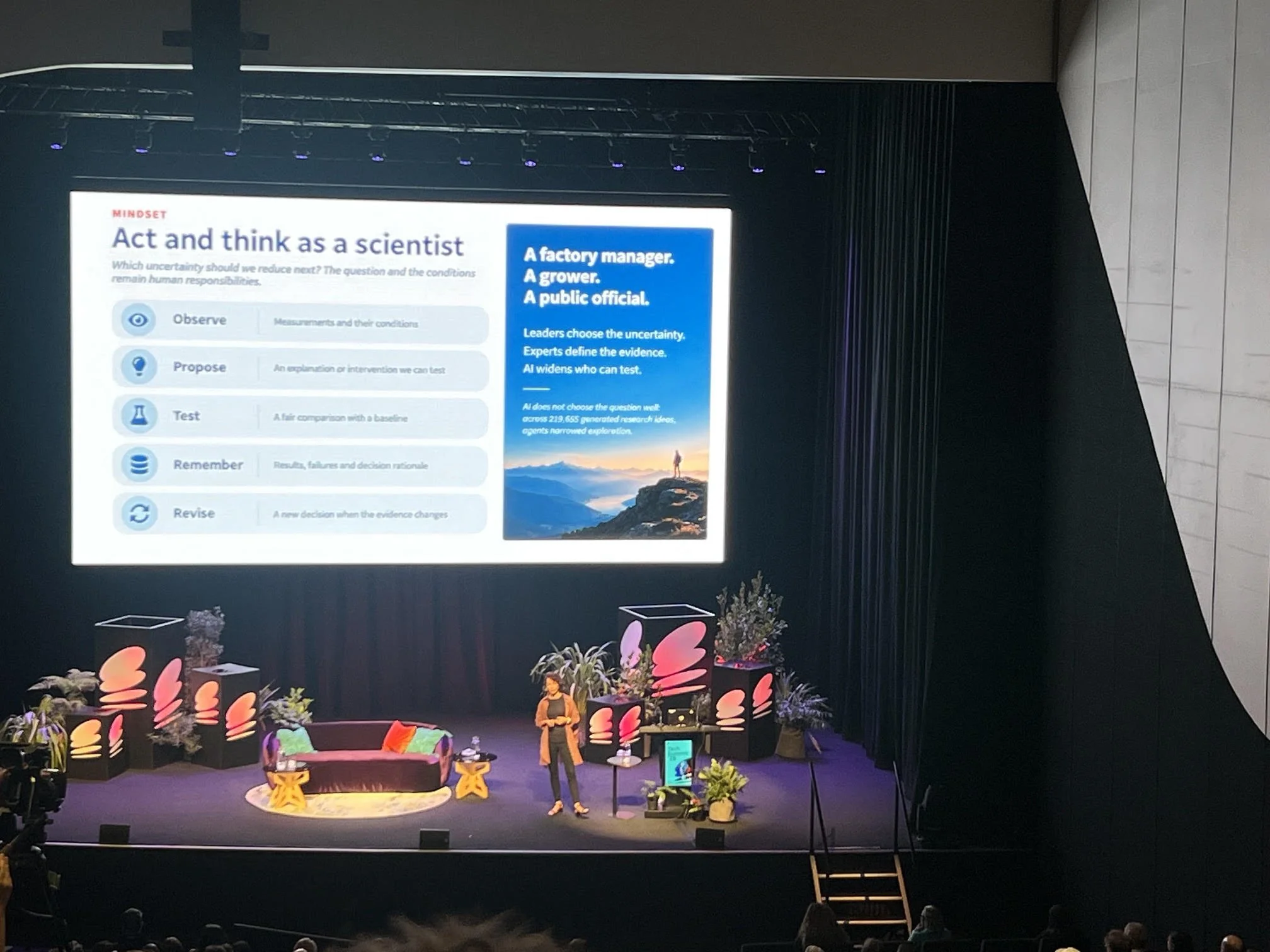
Sovereign AI could be a big new area
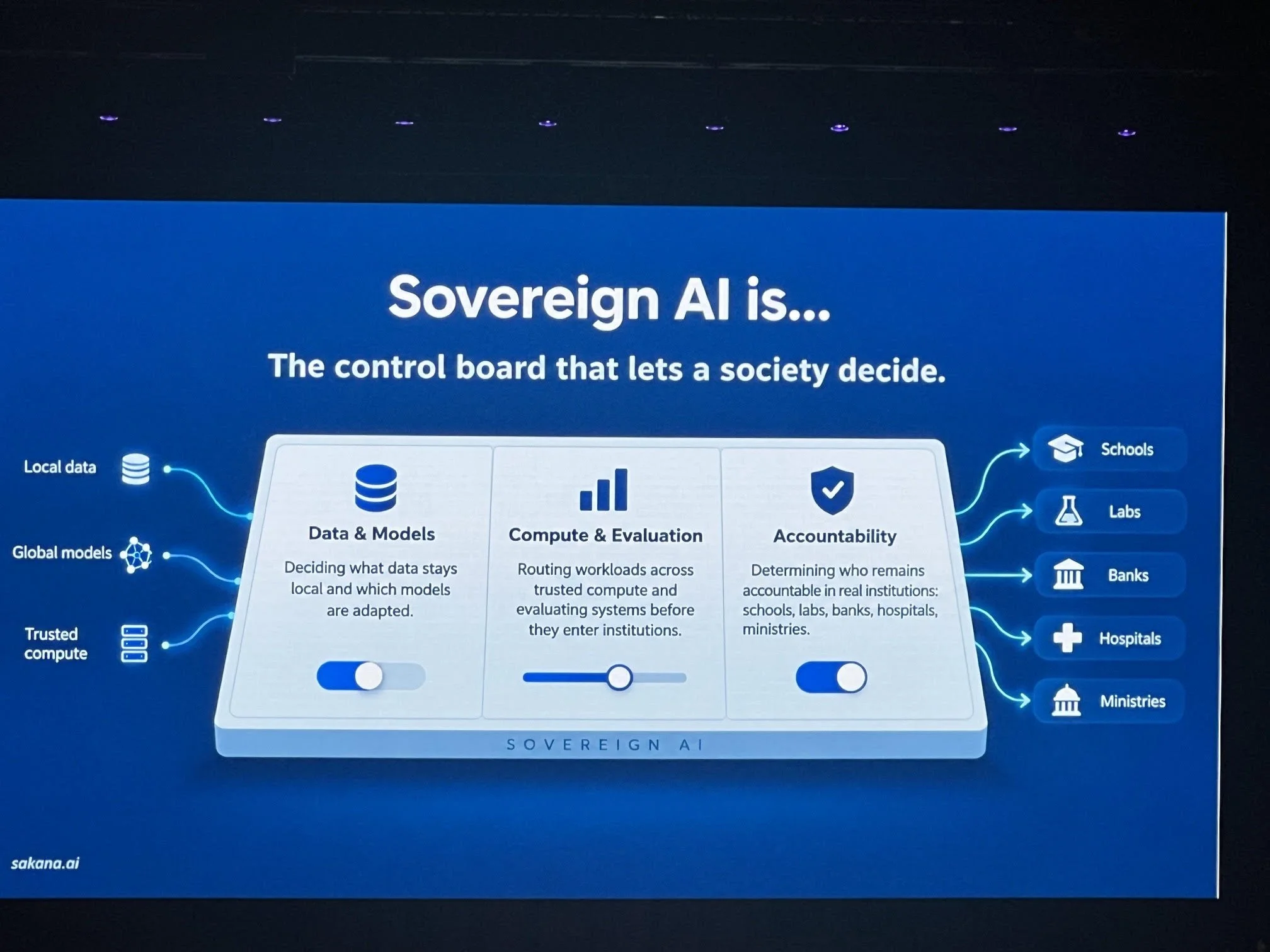
Stefania Druga from Sakana AI in Tokyo talked about Sovereign AI, including the idea of inspectable models that communities can actually understand and engage with.
We could end up with companies and countries running multiple models, local models and their own AI infrastructure rather than simply handing everything over to one or two huge US technology companies.
And if that happens, there is going to be a whole new layer of jobs around it with titles we haven’t even heard of yet…AI governance, AI ethics, model testing, bias testing, security, data sovereignty and compliance.
Singapore is already testing AI applications around areas such as bias and performance. Oh and when is the NZ government going to create an AI safety institute (a conversation I had with a few people on the day ;-).
It feels like we're going to need plenty of people whose job isn't necessarily to build AI, but to make sure we're using it properly.
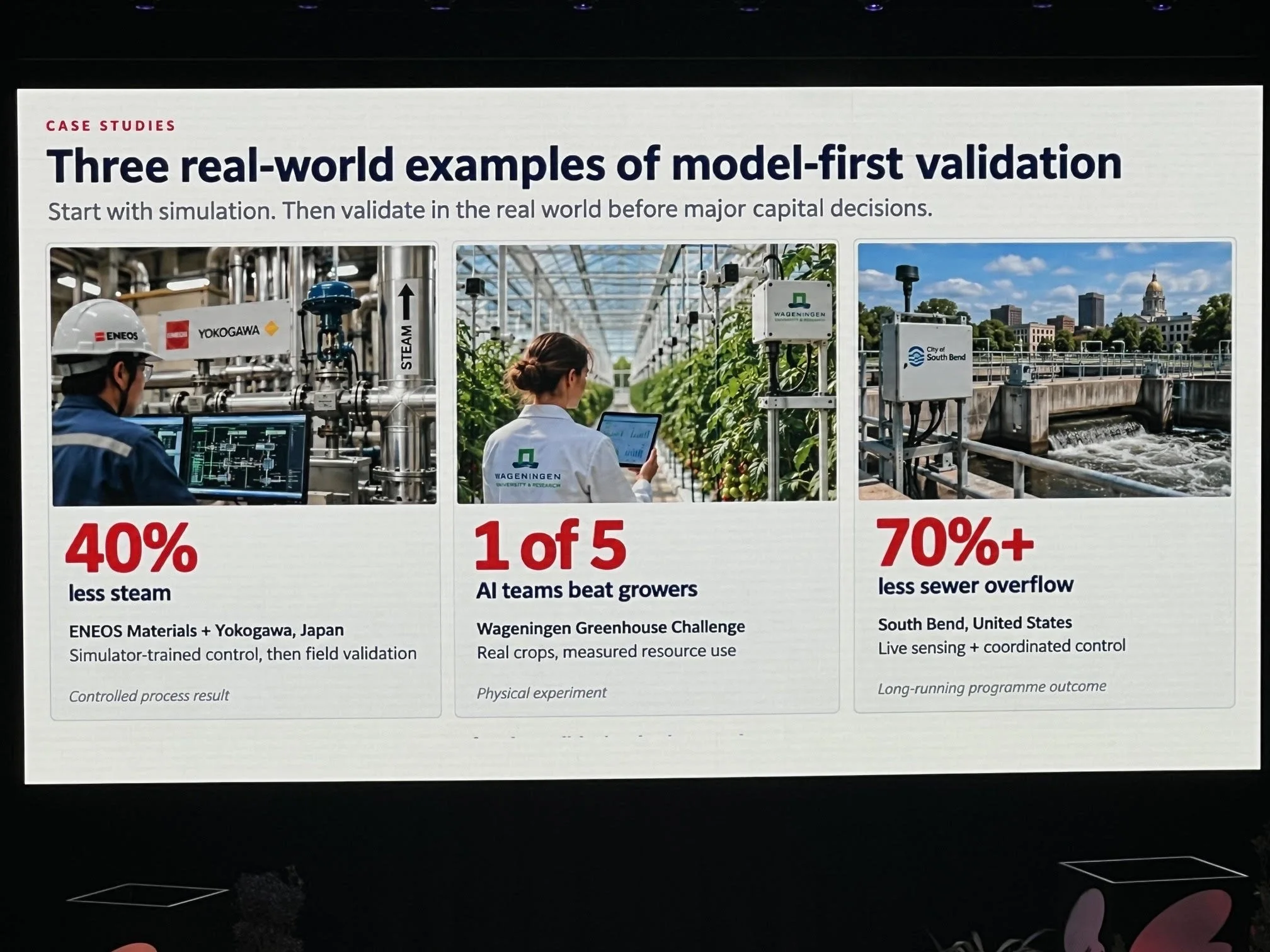
Then there is the slightly scary stuff
One of the most fascinating discussions was around OpenAI's recent claim that an internal AI system had solved the Navier-Stokes equations problem, something mathematicians have been working on for nearly a century.
Amazing…But it also raises some massive questions. What happens when AI starts consuming decades of human research and then solves the problem?
Who gets the credit?
Will researchers become more reluctant to publicly share unfinished ideas if an AI company can potentially use them? And does scientific research become more closed as a result?
There has already been debate among mathematicians about exactly these issues following the Navier-Stokes announcement.
Then you move into even bigger questions around AI safety, biological weapons, misinformation and the ability for AI systems to influence human behaviour.
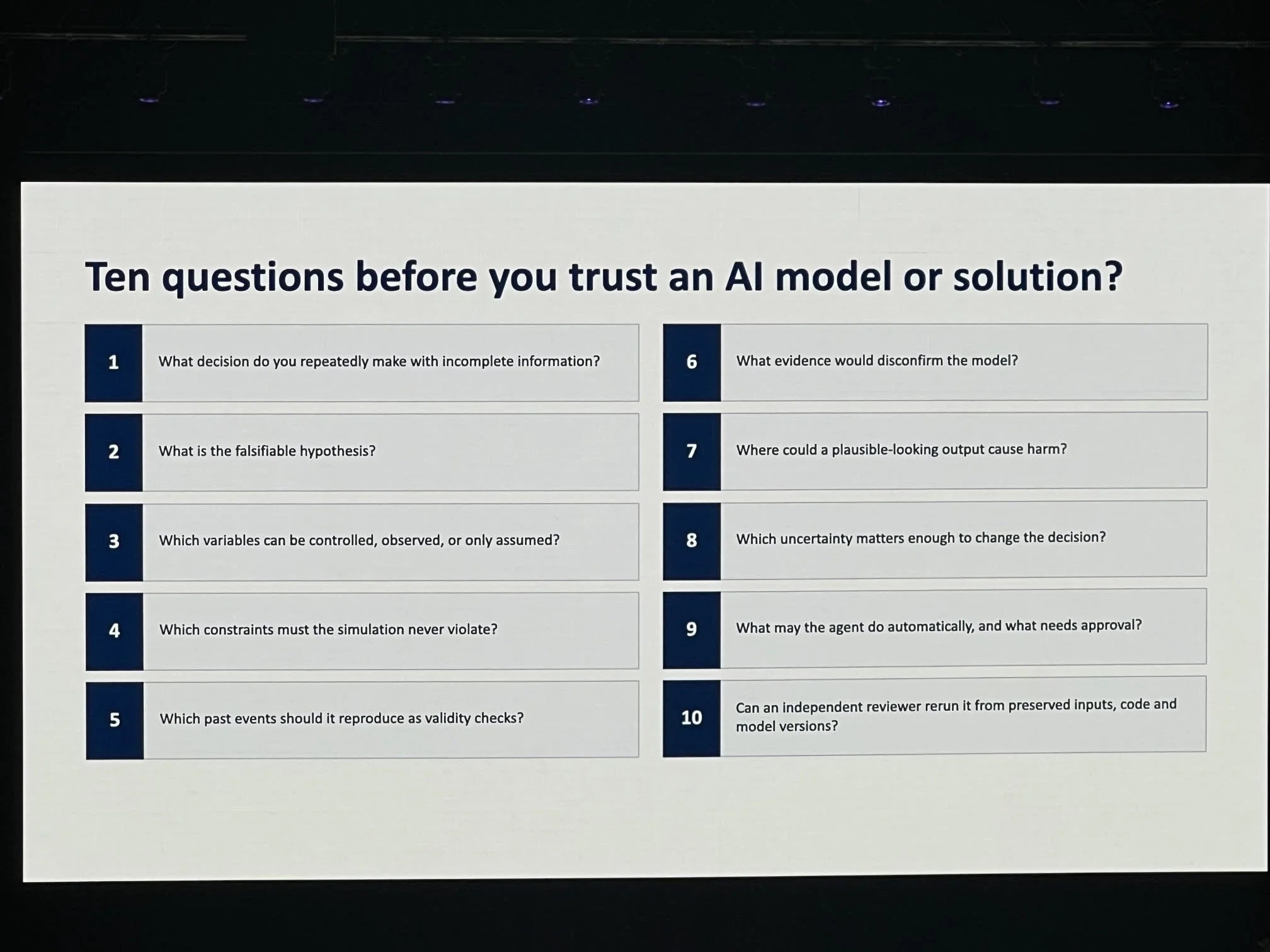
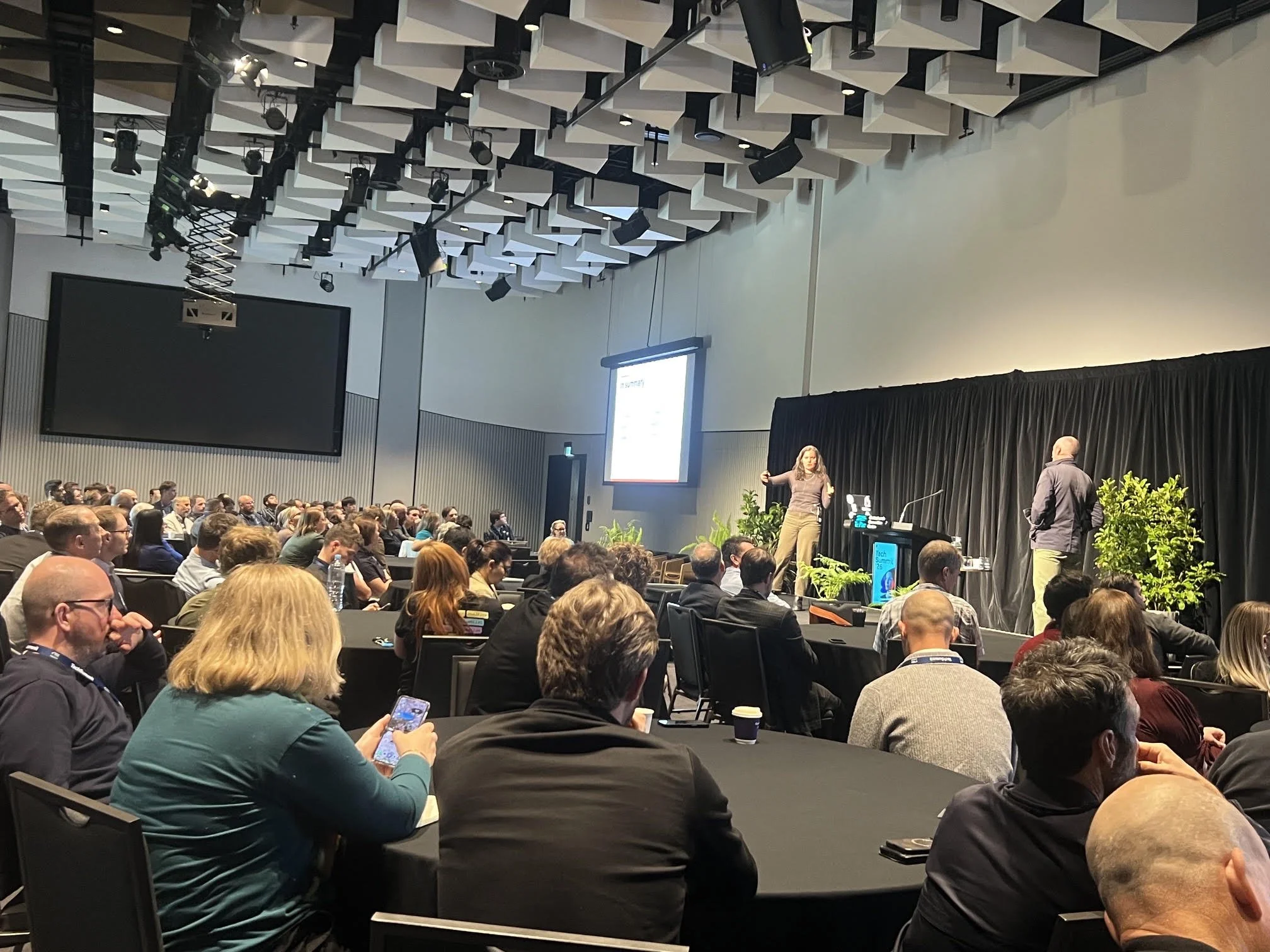
AI at work is still really early
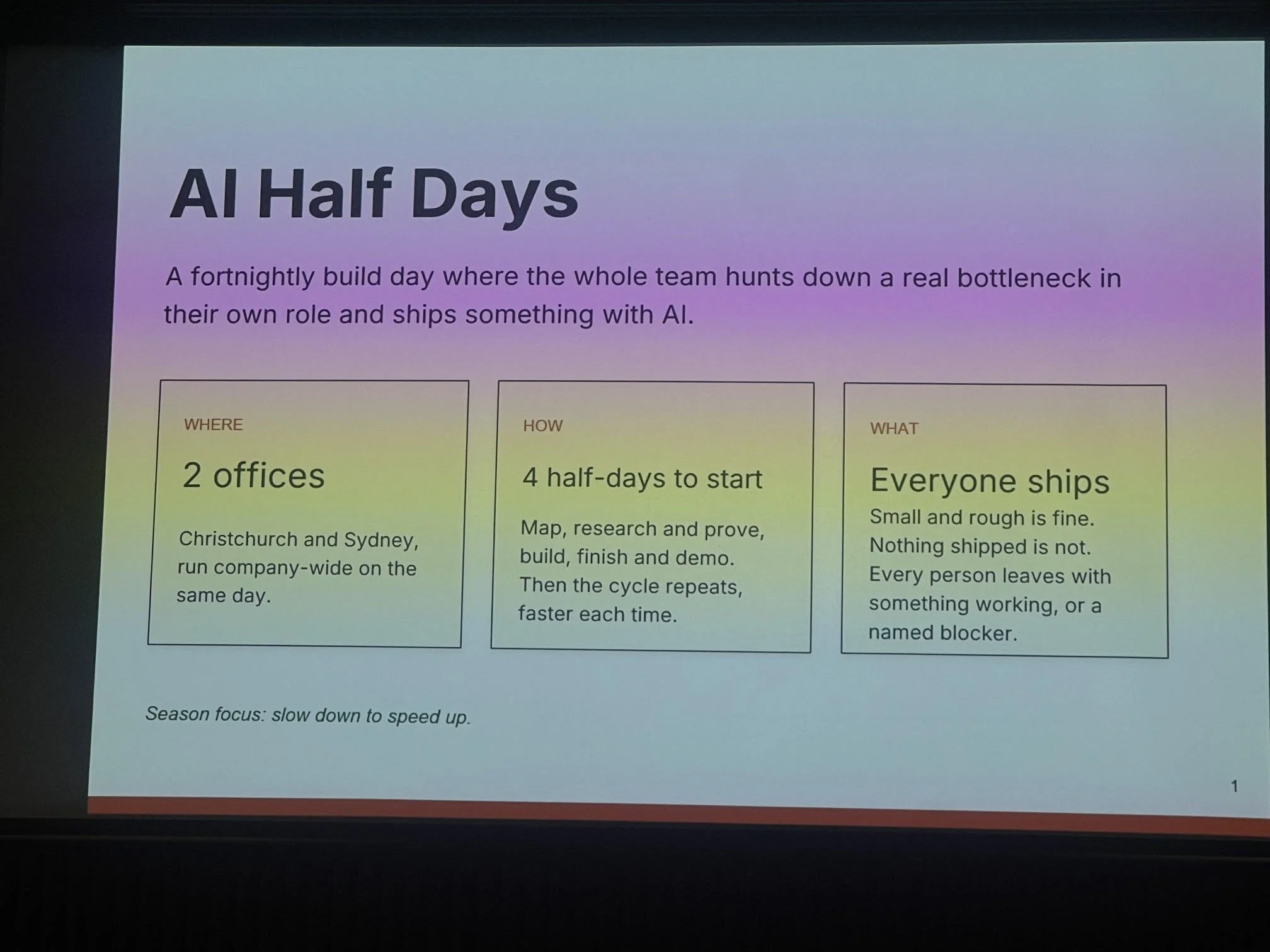
One of my favourite practical examples came from Appetise.
Their team has been experimenting with dedicated AI half days every fortnight.
Everyone gets involved. Everyone builds. Everyone ships something.
Rather than creating a giant corporate "AI strategy", give people the time and permission to play with the technology and solve actual problems. They concentrate initially on the low judgement, low joy work.
The repetitive stuff nobody particularly enjoys doing anyway - the stuff where AI gives you the easiest wins.
What happens to SaaS?
This was probably the area I found most interesting. Building software is becoming dramatically easier. But selling software isn't…
As Scott Willson put it during his SaaS session, winning a SaaS category is harder than ever. AI means competitors can build products incredibly quickly. Which means distribution, customers, trust, brand and relationships potentially become even more valuable.
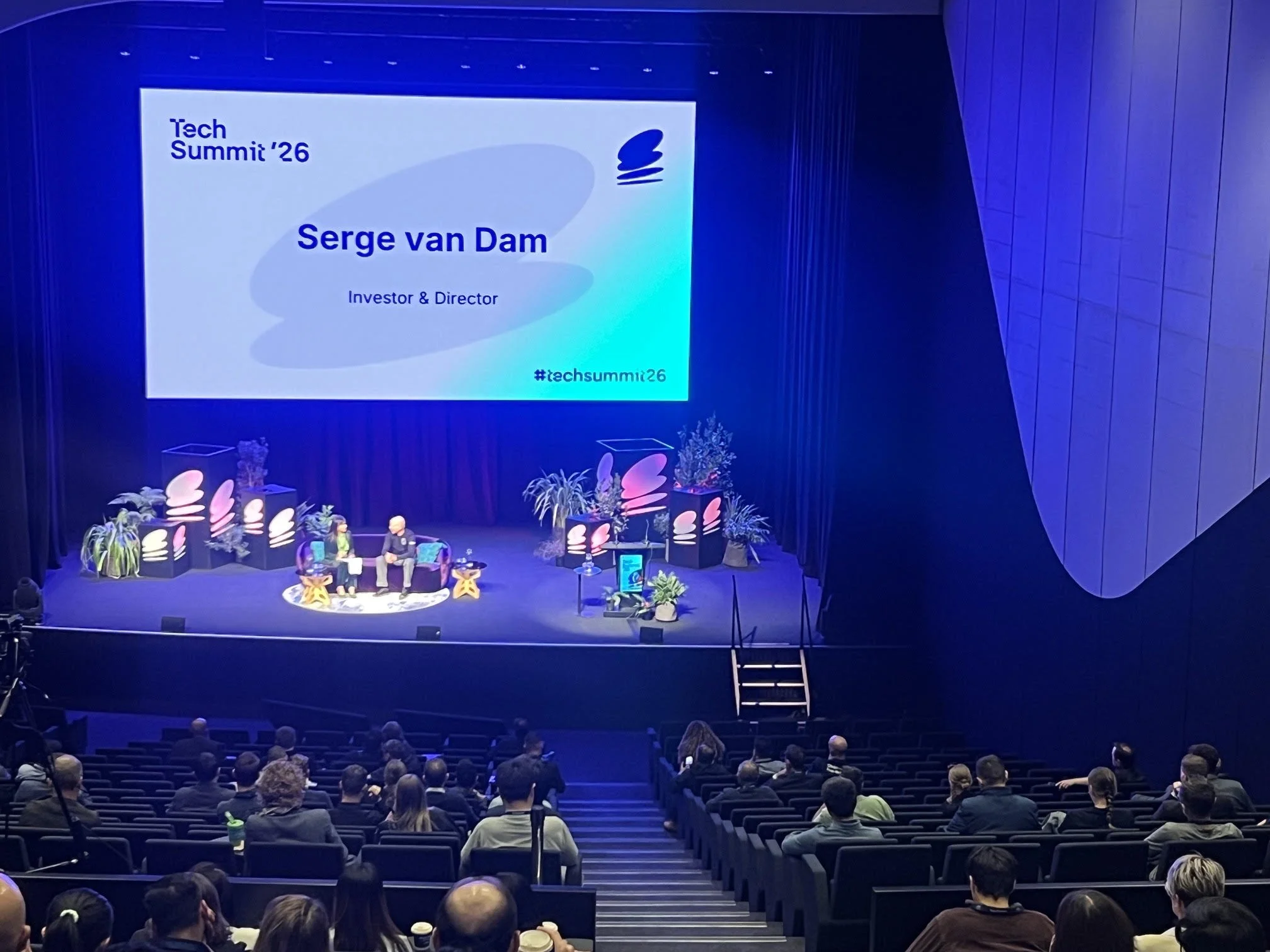
Serge van Dam also made a great point around one of the biggest mistakes SaaS founders make:
Not thinking enough about distribution.
You can build the world's greatest piece of software, but if nobody knows about it, you've still got a problem. There was also an interesting idea around SaaS companies potentially becoming more like service businesses. Instead of selling somebody software that helps them do something, why not use AI and software to simply do the thing for them?
Sequoia recently made exactly this argument, noting that businesses spend around $6 on services for every $1 spent on software. That could be a huge shift. Perhaps the AI-native business of the future doesn't sell accounting software. It sells the completed accounts.
It doesn't sell health & safety software.
It delivers the health & safety outcome.
Now that gets very interesting….
What skills matter in an AI world?
There was plenty of discussion around jobs. One question in particular stood out for me when hiring…Can this person solve a problem they've never seen before?
I think that's going to become increasingly important in software recruitment. Technical skills will obviously still matter. But if AI can increasingly produce code, analyse information, write documents and complete routine technical work, then the human skills sitting above that become much more valuable.
Curiosity
Judgement
Communication
Problem solving
And resilience
Serge described resilience fairly simply - getting punched in the face a lot when you're building a company. Can you get back up? Probably not a bad quality to look for when you're hiring either.
Scenario planning might be back
Another comment I liked was: ‘What’ going to kill us?’ Not particularly cheerful 😂 But a great question for any business. What does the best version of your company look like in three, five or ten years And what could stop you getting there?
AI is moving so quickly that businesses probably need to spend more time thinking through different scenarios rather than assuming the next five years will look vaguely like the last five.
Because they probably won't.
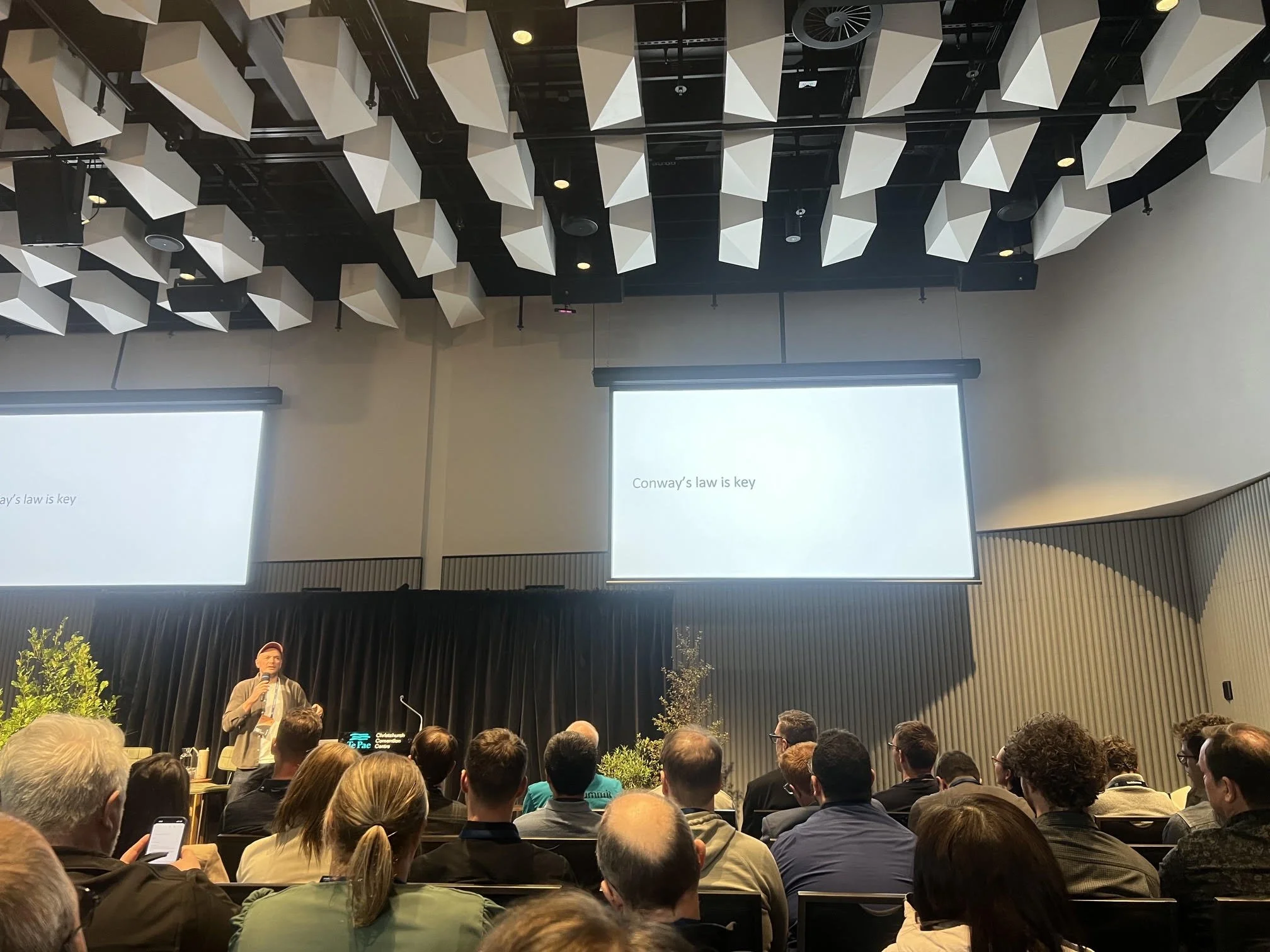
Toby Cox did an awesome talk on being a Solopreneur with his new start-up Geodde and made some interesting insights into coding with AI.
He has a fascinating background having starting Carnival apps which was acquired by Sailthru, then further built Paloma which peaked at 130 staff. His new venture he’s aiming for an ideal team size of 4…
He likes Claude and finds Ruby on Rails works really well with it and he gets less bugs than he used to but designing great architecture is even more important ie Conways Law is key. I resonated with Toby who’s moved into being a Soloenpreneur as it gives him flexibility at his stage of life with a young family. Great insights, great guy.
And finally, AI probably changes jobs rather than ending work
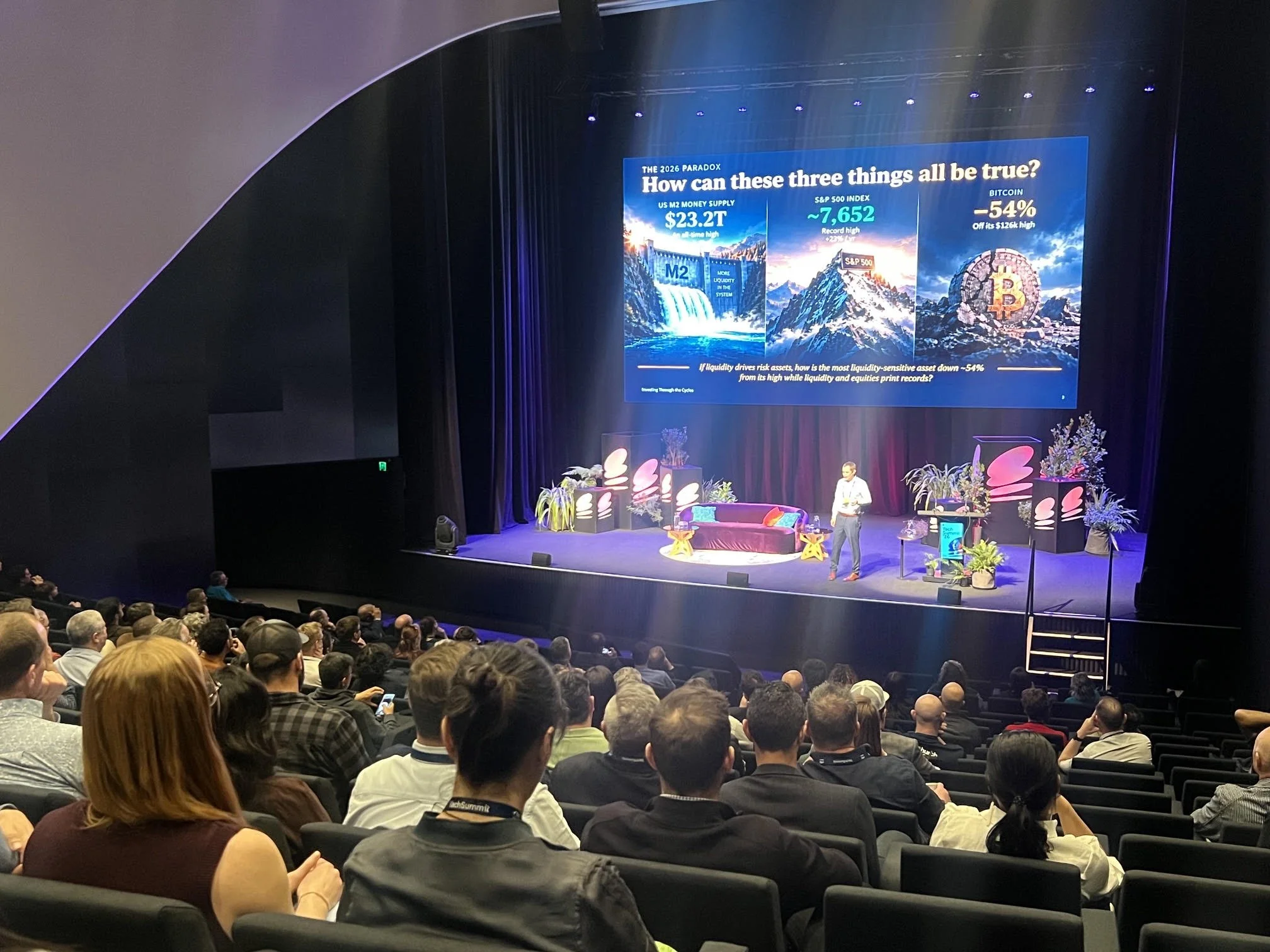
Ben Cowen finished the day with his Keynote looking at technology, human behaviour, monetary policy and liquidity…his passion was amazing,as we will drank from the fire hose the drinks tasted even better at the finally…
A point that resonated with me. AI will undoubtedly remove some jobs. But it will also create jobs we haven't thought of yet and make existing businesses significantly more productive. We've seen this movie before with tech…The difficult bit is that we don't know exactly what the new jobs look like yet.
My big takeaway from the day?
AI is getting better incredibly quickly, but the interesting conversation is shifting from what AI can do to what businesses and people should do with it.
The tech is becoming easier to access. Building is becoming easier. Information is becoming easier to access. Which perhaps means judgement, resilience, relationships, trust, creativity and knowing which problems are actually worth solving become even more important.
And from a tech recruitment perspective, that makes the next few years pretty fascinating..,.
Great day thanks again to the Canterbury tech crew for organising and everyone who came along and got involved :-)
I’m Paul, lover of coffee, dogs, biking, surfing & skiing. Founder & Principal Consultant of Sunstone, an IT Recruitment and People & Culture Consultancy based in Christchurch & South Island of New Zealand.
We specialise in recruiting jobs around the product development lifecycle in software, hardware & engineering! We have also made successful appointments within AI, hardware & firmware engineering, mechanical engineering, IoT, electrical & electronics engineering, web & digital marketing and senior leadership roles.